FAI 2027: Chicago, Illinois, United States
January 27-31, 2027
- FAI 2027
- Artists
- Attending
- partners


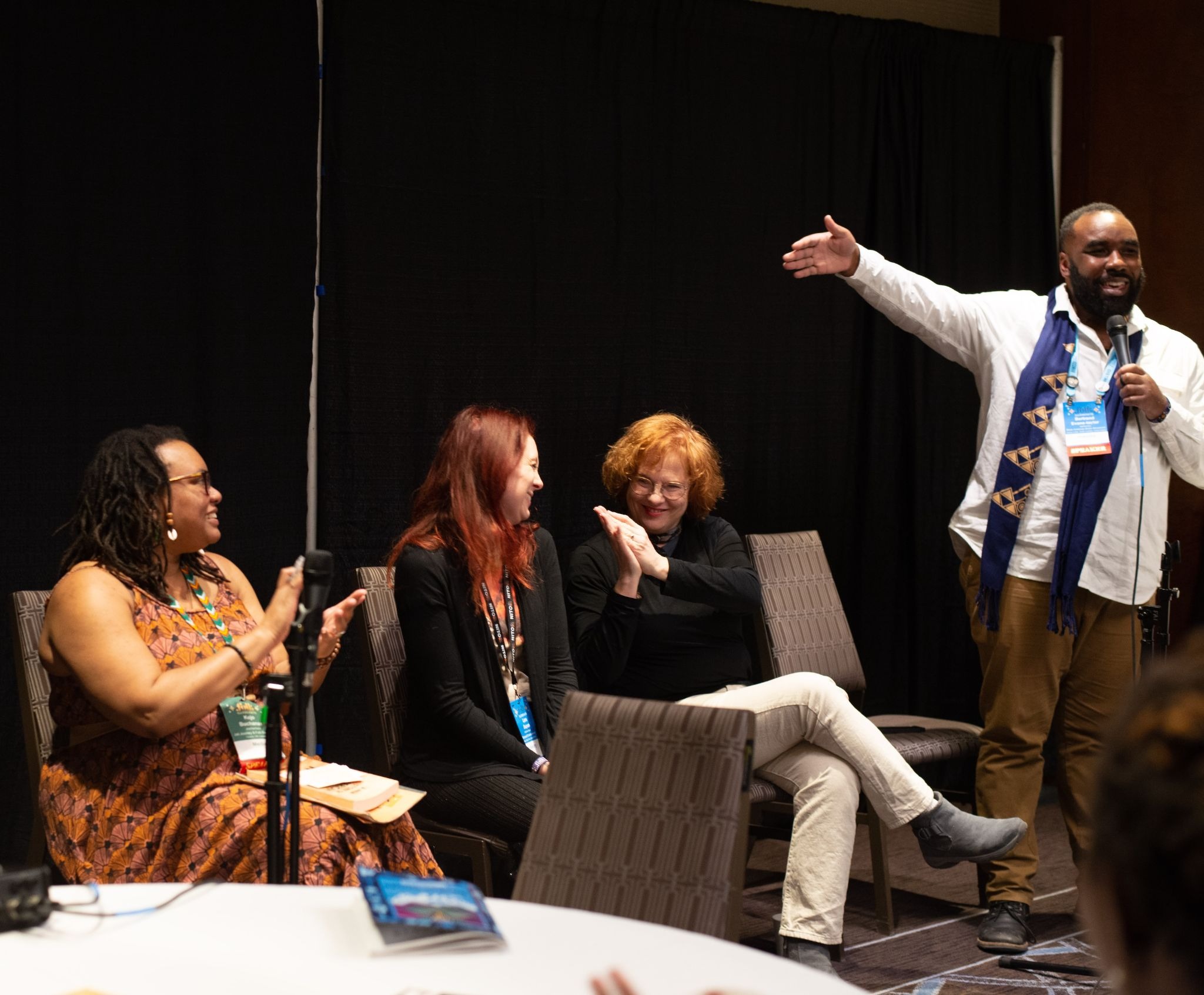
Black music is folk music. It carries our histories, holds our communities together, and gives voice to the futures we imagine.
The fifth annual Black American Music Summit (BAMS) brings artists, presenters, organizers, and music professionals from across the African diaspora together for community, conversation, and performance during Folk Alliance International. Led by Ujima Cultural Solutions, BAMS creates space to share knowledge, build relationships, and strengthen the conditions that help Black artists thrive.
Our 2027 theme, We da Folk, affirms Black communities as creators, keepers, and innovators of folk traditions. From blues and gospel to hip-hop and house, our music lives through storytelling, movement, experimentation, and the ways we gather. Chicago offers a powerful setting to explore those connections and imagine what comes next.
Caribbean artists, traditions, and communities are essential to this story. Their music carries African knowledge, histories of resistance, and generations of exchange across islands, continents, and communities. In 2027, BAMS is making intentional space for Caribbean artists and cultural workers through dedicated programming, a planned Caribbean Night showcase, and opportunities to build relationships throughout the summit.
To attend fill out this BAMS Interest Form.
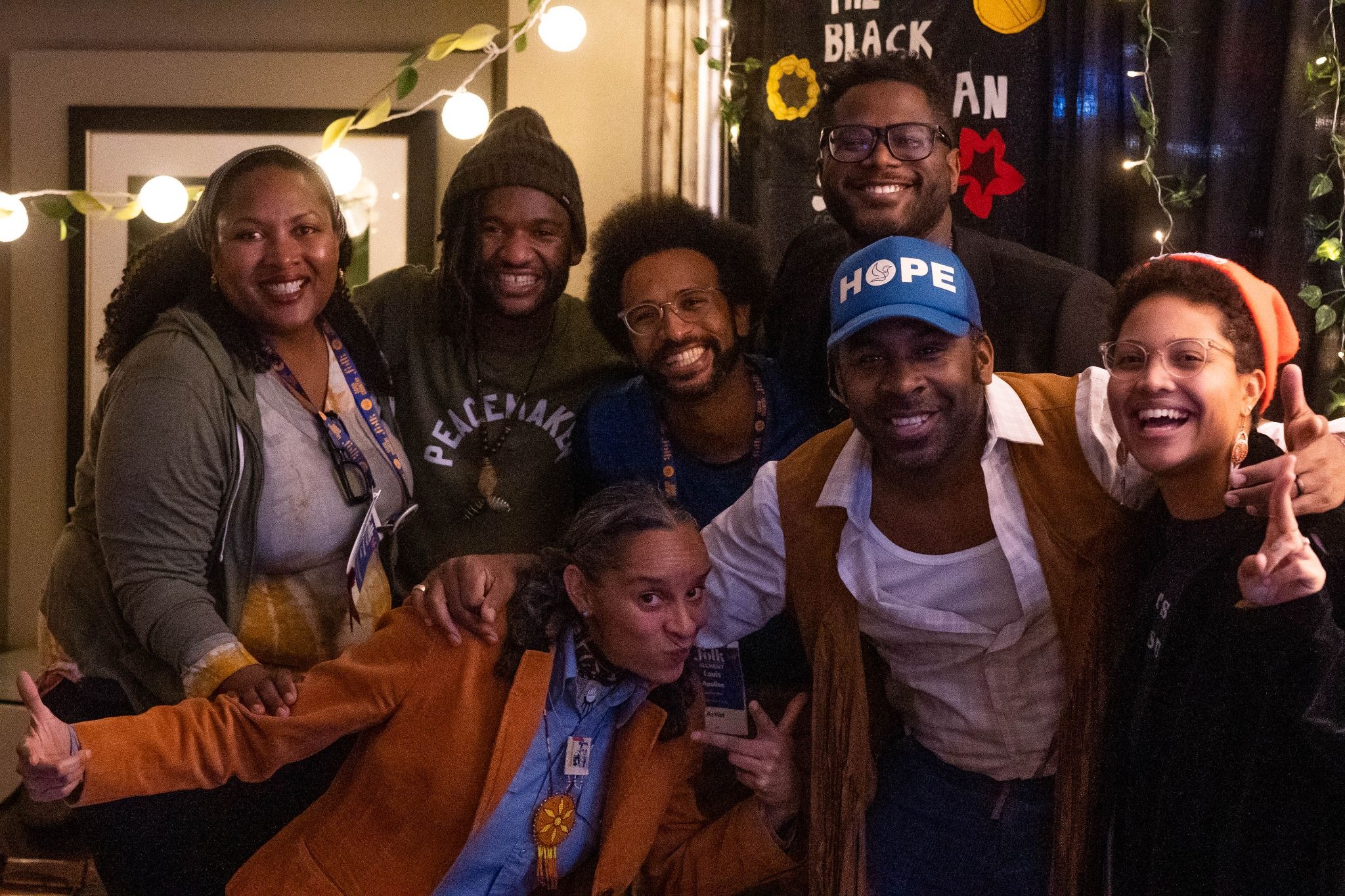
BAMS welcomes people from across Africa and the African diaspora. Our community includes African American, Caribbean, Afro-Latine, Afro-Indigenous, African Canadian, continental African, and other African-descended people whose identities and experiences cross languages, cultures, and borders.
Across Turtle Island and throughout the Americas, African people and their descendants have shaped the music of the places they call home. Through histories of enslavement, migration, refuge, and cultural exchange, people from many African cultures brought distinct rhythms, instruments, languages, spiritual practices, and ways of making music together. Those traditions continued to grow through relationships with Indigenous peoples and other communities, creating sounds that carry many histories at once.
BAMS makes room for that breadth. Whether your work is rooted in an inherited tradition, contemporary experimentation, or a sound that moves between genres, you belong in this conversation. Artists, presenters, producers, DJs, scholars, organizers, and other cultural workers all have a place here.
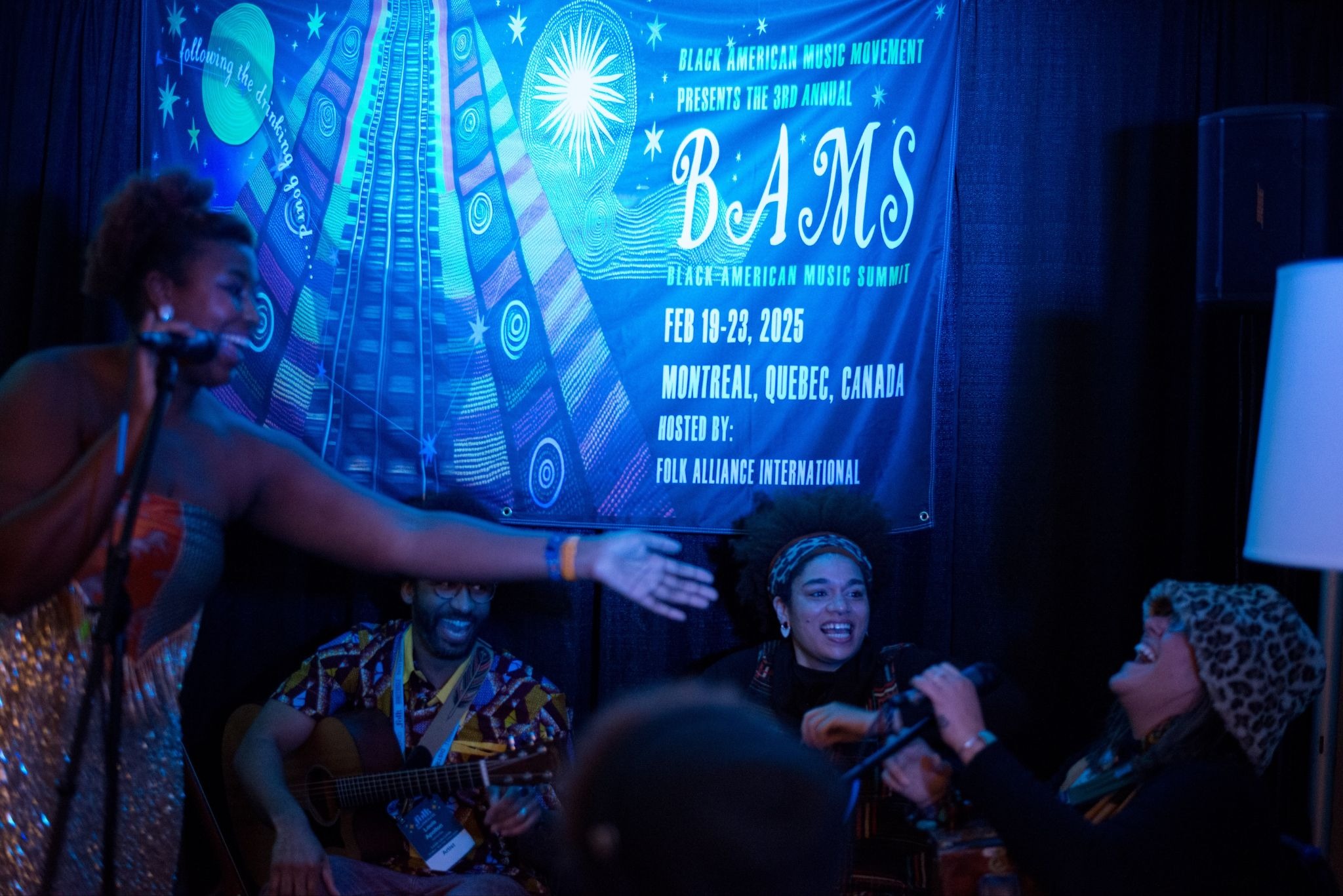
This year’s program is taking shape around affinity gatherings, daytime conversations and workshops, and late-night private showcases.
Community and affinity space
Dedicated gatherings for Black participants and people of the African diaspora to connect, share experiences, exchange knowledge, and consider what we need to sustain our work and one another.
Private Showcases and Caribbean Night (open to all conference attendees)Discover Black artists working across traditions and genres in the BAMS private showcase room. Saturday’s planned Caribbean Night will spotlight Caribbean artists and musical traditions, creating another opportunity for discovery and connection across the diaspora.
Panels and Workshops:
Conversations that expand the folk story (open to all conference attendees)Programming in development explores house music through a folk lens, Caribbean musical traditions and connections across the diaspora, and the relationships between Black artists and Black audiences.
Practical tools for working artists (open to all conference attendees)Planned conversations connect the history of ownership and extraction in Black music with today’s questions about artificial intelligence, creative rights, and compensation.
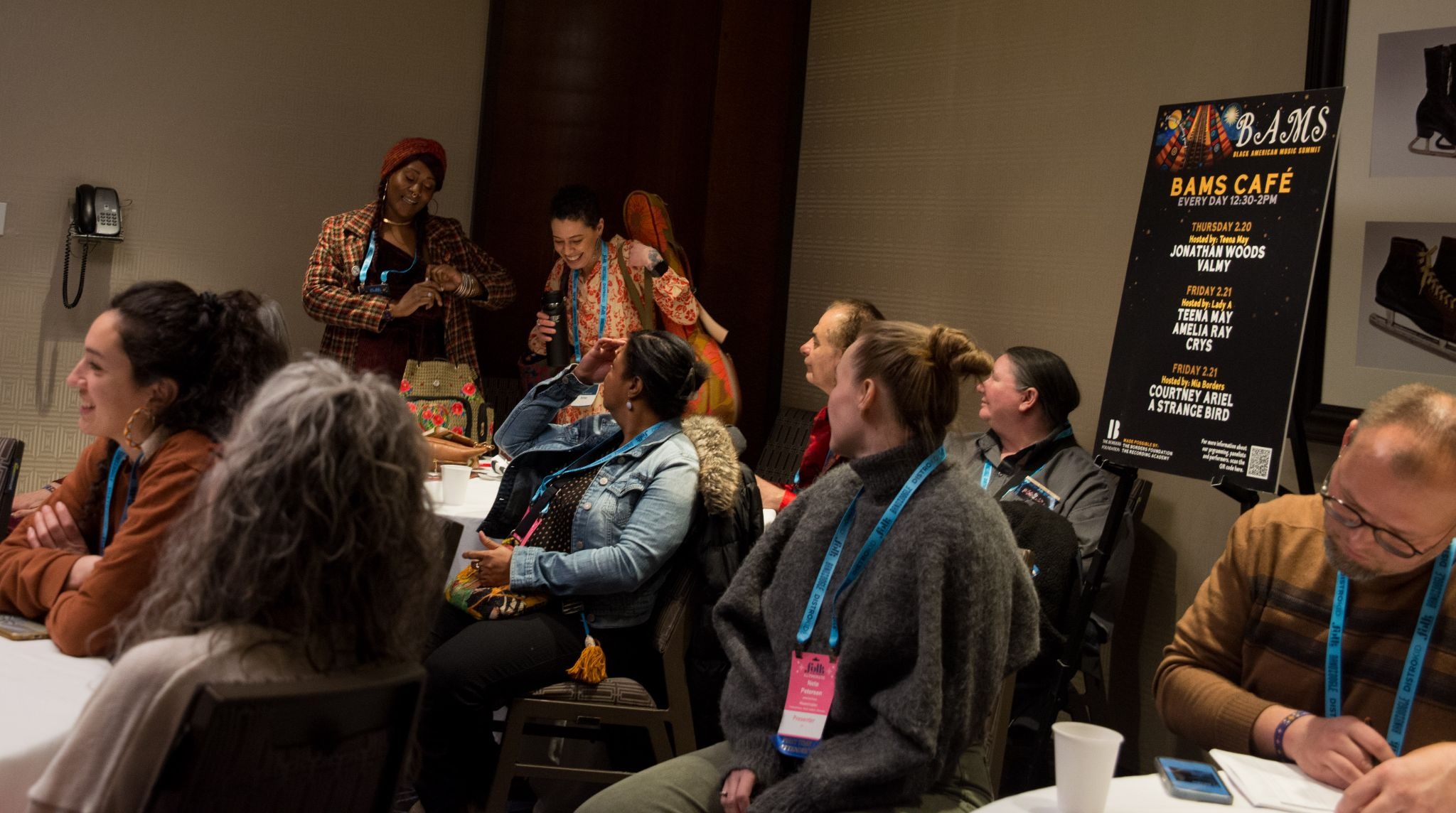
BAMS centers Black artists and music professionals. Designated affinity sessions are reserved for participants who identify as Black, African American, or part of the African diaspora. Other sessions and private showcases welcome the broader FAI delegate community, as indicated in the final schedule.
The full schedule, artist lineup, locations, and participation details will be posted here as they are confirmed.
Come find community, share your work, and help shape the future of folk.
Links to forms:
Apply for a BAMS private showcase
From Assumption to Relationship
Speakers: Dusky Waters, Tonya Dyson
This conversation asks how artists and institutions can build meaningful relationships with Black audiences when folk, Americana and country systems have often failed to market or contextualize the music to them. Dusky Waters and Tonya Dyson will examine how assumptions about genre, race and belonging shape programming and promotion and influence who receives a meaningful invitation to participate.
The discussion will explore how listening to Black audiences, working with trusted community partners and communicating the cultural context of the music can strengthen audience relationships. Participants will consider practical questions about where events happen, how artists are introduced, what barriers affect participation and what encourages people to return. The session centers audience development as an ongoing practice of building trust, creating connection and sustaining relationships. Made in partnership with Black Americana Fest.
Extraction, Ownership, and the History of Black Music
Bertrand Evans-Taylor, Terika Dean, Jonathan Mason, Paula Boggs
The music industry’s current debates over artificial intelligence are new in scale, but many of the underlying questions are not: Who is permitted to use an artist’s work? Who controls the resulting value? Who receives credit and compensation—and who is expected to accept extraction as the price of visibility?
This session places generative AI within the longer history of the exploitation of Black music. Using music publishing and the experiences of artists such as Lead Belly as points of entry, the session will examine how contracts, copyright systems, industry intermediaries, and unequal bargaining power separated Black creators from ownership and revenue. Participants will consider how AI can reproduce and accelerate these patterns by absorbing creative work at an unprecedented scale. Rather than treating AI as a completely unprecedented disruption, the conversation asks what the history of Black music can teach us about the conditions that make technological extraction possible. Made in partnership with Ujima Cultural Solutions.
Born from Black, Latino, and queer communities in Chicago, house music is often categorized by its electronic sound while being separated from the communal traditions that made it possible. This session considers house music through a folk lens: as music created by and for a community, shaped by place, transmitted through shared spaces, and sustained through participation, memory, and cultural practice. Participants will explore what becomes visible when folk music is defined by how culture moves between people rather than by acoustic instrumentation alone. Grounded in the city that gave house music to the world, the conversation will also examine the Black cultural lineages, community spaces, DJs, dancers, and technological experimentation that helped build the form. Made in partnership with Roots and Rhythm on Thasis Radio Network.
Four Women, Two Countries, Four Artistic Identities
Talie Cerin, Tafa Mi-Soleil, Ana Everling, Olya Prohorova (Fugu Dugu), Chriss Rimpel (moderator)
Four women from Haiti and Moldova explore how artists with shared cultural roots develop distinct musical identities. Through listening exercises, personal stories and live demonstrations, they reveal how family, language, migration and individual experience shape their music.
Presenters and audiences will discover ways to understand and introduce culturally rooted artists beyond national and genre labels and hear how knowing an artist’s story can change the way we experience their music. Made in partnership with R.A.D. Muzik.
Meet the Artist. Know the Culture. Hear the Music Differently.
Talie Cerin, Juan Díes (Sones de México Ensemble), Kiyoshi Nagata (Nagata Shachu), Chriss Rimpel (moderator)
Explore the cultural stories behind Haitian song, Mexican regional music and Japanese taiko. Through storytelling, musical demonstrations and audience participation, three artists reveal the meaning carried by language, instruments, rhythm and movement—and what listeners often miss.
This interactive encounter offers presenters, artists and audiences a deeper understanding of the people and traditions behind the music, helping them describe, present and connect with artists without reducing their work to a country or genre. By 4:00 p.m., we’ll conclude the demonstrations and move together to the BAMS private showcase room, where the conversation with the artists will continue. Made in partnership with R.A.D. Muzik.
BAMS Affinity Space:
Timing to be announced soon
Storytelling and the Musician’s Journey
The Obama Presidental Center,
Lady A
Lady A leads an intergenerational peer discussion about the lessons musicians learn through experience and what they wish someone had told them at the beginning. Seasoned and emerging artists will reflect on how they found their voices, navigated pressure to conform, and developed their approaches to songwriting and performance.
Through personal stories and open dialogue, participants will explore how lived experience and cultural identity shape the stories they tell. The conversation will connect the craft of songwriting with the realities of sustaining a creative life, offering space to discuss writer’s block, collaboration, audience relationships and artistic authenticity. Artists will exchange practical insights and encouragement while considering how their storytelling continues to evolve. Made in partnership with Lady A’s Blues and Blessings Foundation.
Communal Drumming and the Preservation of African Language Systems
Al T. Alexander Jr.
Communal drumming creates a shared space for communication, connecting people through rhythms whose meanings are learned and sustained in community. This session explores the relationship between rhythm and language within African and African diasporic traditions. How can drums carry the patterns of speech? How do call and response, collective participation and shared listening help communities transmit cultural knowledge across generations?
Through conversation and rhythmic demonstration, participants will examine how communal drumming supports the preservation of language, oral history and cultural memory. The discussion will consider the distinct traditions that give rhythms their meaning, what can be lost when those rhythms circulate without context, and how artists, educators and cultural workers can support the communities that keep these systems of communication alive. Made in partnership with Sonic Signature Productions.


